In current times of biological sciences, two fields stand out prominently: computational biology vs bioinformatics. These disciplines intersect and complement each other, shedding light on the complexities of life through data-driven approaches. But what sets them apart? How do they relate to the burgeoning field of biological data science?
Explore more about 8 future careers in biological data science to look forward to in 2024
Let’s delve into the intricacies of computational biology vs bioinformatics, exploring their differences, shared relationships with biological data science, skill requirements, career paths, real-world applications, salaries, and prospects for the future.
Understanding Computational Biology vs Bioinformatics
Computational Biology delves into the world of mathematical modeling, algorithms, and simulations to understand biological systems quantitatively. It seeks to decode biological functioning through computational methods, spanning from molecular interactions to ecological dynamics.
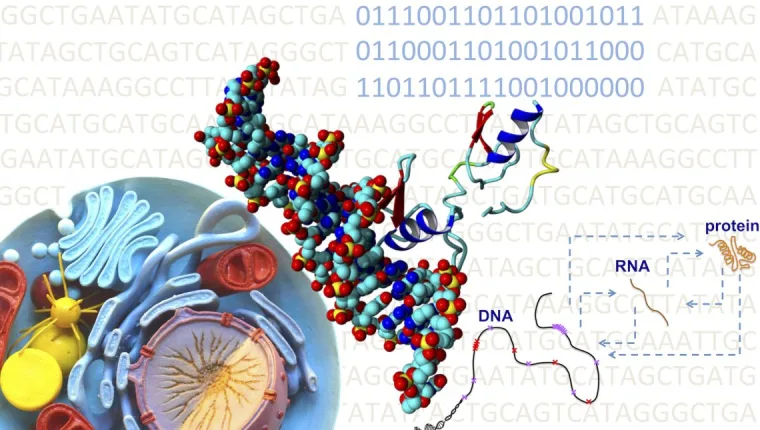
Bioinformatics, on the other hand, focuses on managing, analyzing, and interpreting biological data using computational tools and techniques. It involves extracting meaningful insights from genomic sequences, protein structures, and other biological datasets, driving advancements in genomics, proteomics, and personalized medicine.
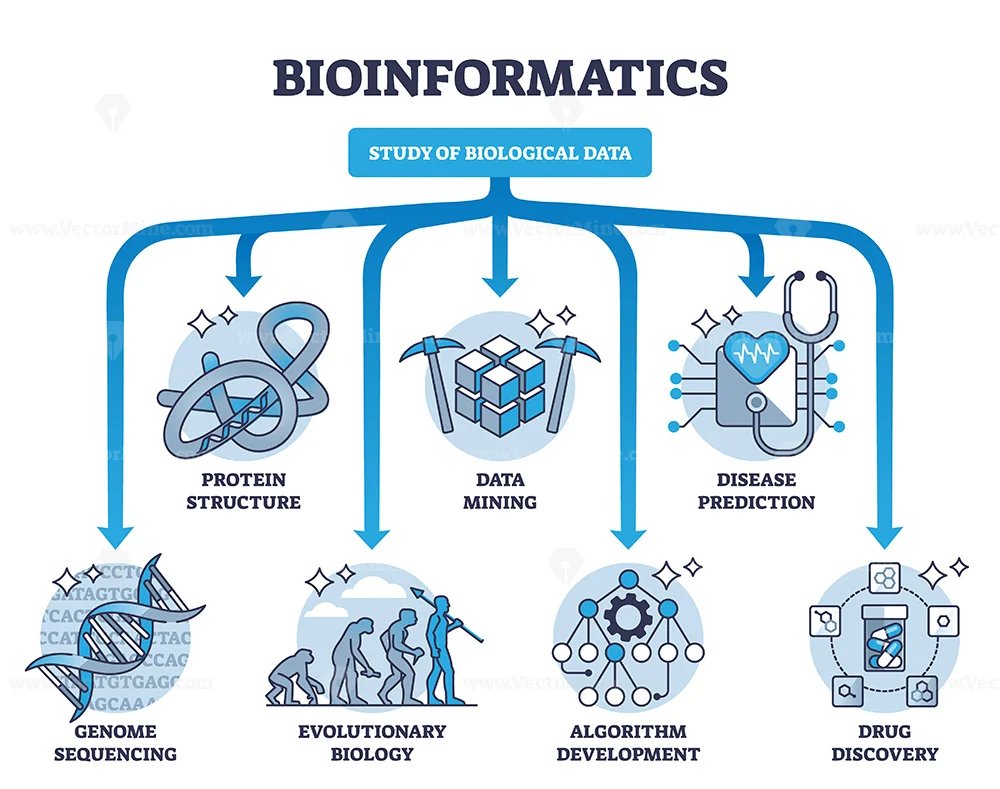
Exploring Their Relationship with Biological Data Science
Bridging Computational Biology with Biological Data Science
Computational biology shares a symbiotic relationship with biological data science, as it leverages data-driven methodologies to comprehend biological phenomena. By integrating principles from mathematics, computer science, and statistics, computational biology navigates through vast biological datasets to derive insights and build predictive models.
Linking Bioinformatics with Biological Data Science
Bioinformatics serves as a cornerstone of biological data science, as it provides the tools and frameworks to manage, analyze, and interpret biological data. By employing techniques from machine learning, data mining, and computational statistics, bioinformatics enables researchers to extract valuable knowledge from genomic, transcriptomic, and proteomic datasets.
Know more about bioinformatics vs biostatistics in world of biological data science to make right career choice
Skill Requirements in Computational Biology vs Bioinformatics
- Computational Biology: Requires proficiency in mathematics, computer science, and biology, along with expertise in programming languages like Python and R. Skills in algorithm development and mathematical modeling are crucial.
- Bioinformatics: Demands proficiency in biology and genetics, coupled with command over bioinformatics tools and databases such as BLAST and NCBI. Expertise in genomic data analysis, sequence alignment, and structural bioinformatics is essential.
Who Should Consider Each Field?
Consider Computational Biology if…
- You enjoy mathematical modeling and theoretical exploration of biological systems.
- You have a strong background in mathematics, computer science, and biology.
- You are fascinated by algorithm development and simulation of biological processes.
Consider Bioinformatics if…
- You are intrigued by genomic data analysis and interpretation.
- You have a keen interest in biology and genetics, coupled with proficiency in programming.
- You are passionate about applying computational methods to address biological questions and challenges.
Real-World Applications
Computational Biology in Action
- Genomic Sequencing: Analyzing genomic data to identify genes, regulatory elements, and genetic variations associated with diseases. Learn step by step genomic data analysis in Python and R for beginners
- Protein Structure Prediction: Forecasting three-dimensional protein structures to understand their functions and interactions.
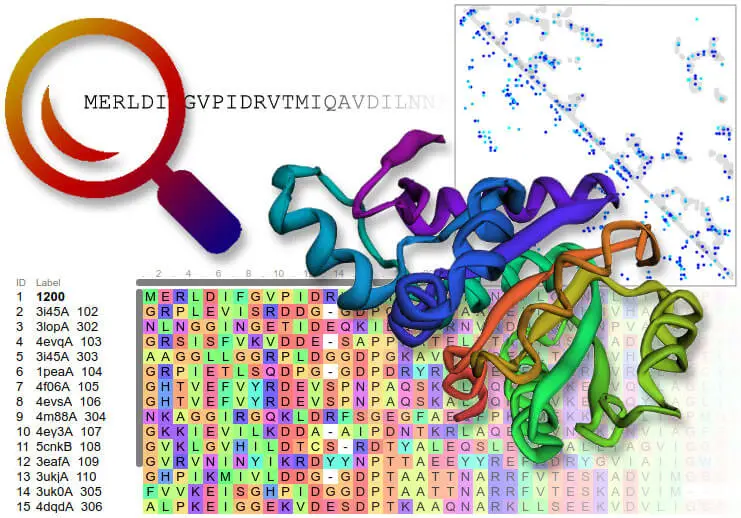
- Systems Biology Modeling: Developing mathematical models to simulate and apprehend complex biological systems, such as gene regulatory networks and metabolic pathways.
Bioinformatics in Practice
- Sequence Analysis: Scrutinizing DNA, RNA, or protein sequences to unravel evolutionary relationships and functional similarities.
- Drug Discovery: Screening compound libraries and prognosticating drug-target interactions utilizing computational methods.
- Clinical Genomics: Analyzing genomic data for disease diagnosis, treatment selection, and personalized medicine applications. Explore more about clinical data science as a career and what essential skills are required to become clinical data analyst

Salaries in Computational Biology vs Bioinformatics
- Computational Biology: Median salaries range from $80,000 to $120,000 per annum, contingent on factors such as education, experience, and industry sector.
- Bioinformatics: Median salaries typically range from $70,000 to $110,000 annually, with variations based on job role, employer type, and specialization.
Also explore Who Earns More in USA? Data Science vs Computer Science
Future Prospects
Both computational biology and bioinformatics offer promising career paths in academia, research institutions, pharmaceutical companies, and biotechnology firms. The integration of computational approaches with biological sciences continues to drive innovations and discoveries in fields such as drug discovery, personalized medicine, and systems biology. As technology advances and biological datasets expand, the demand for skilled professionals in computational biology and bioinformatics is expected to grow, making these fields attractive options for those passionate about merging biology with computation.