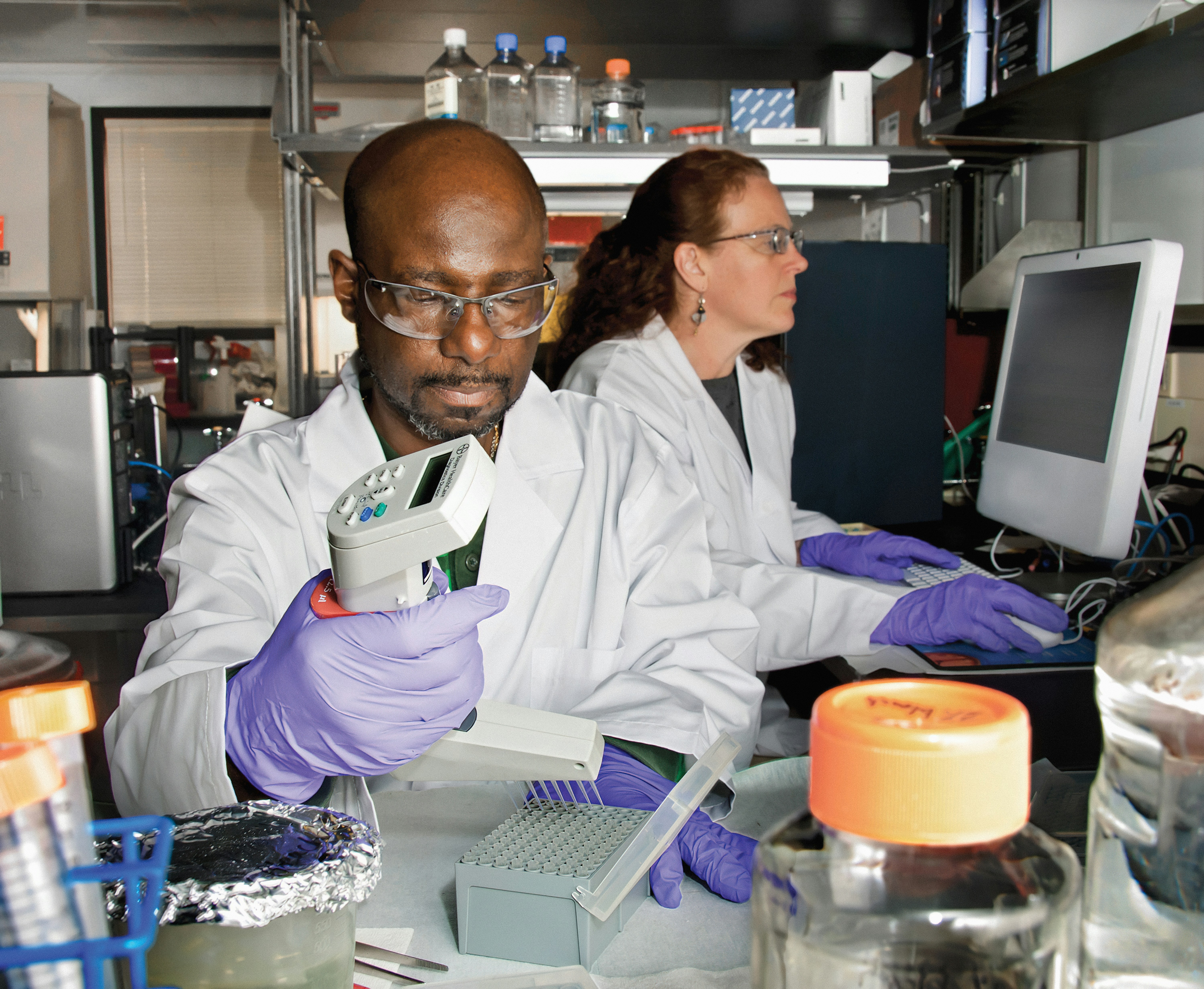
Introduction to Biotechnology Trends
Biotechnology is an interdisciplinary domain that harnesses biological processes, organisms, or systems to develop innovative technologies and products aimed at improving human health, agriculture, and environmental sustainability. Its significance has escalated in recent years, driven by rapid advancements in genetic engineering, synthetic biology, and bioinformatics. The convergence of these technologies is reshaping traditional practices, propelling the field of biotechnology into a new era of possibilities.
Looking ahead, the landscape of biotechnology is set for significant transformations in 2026, driven by continuous research and investment in emerging technologies. Trends such as personalized medicine, advanced methods of food production, and innovative approaches to environmental conservation will play a vital role in shaping not only the future of biotechnology but also the well-being of society as a whole. Understanding these trends is essential for various stakeholders, including policymakers, investors, and the general public, as they navigate the ongoing evolution of this dynamic field.
Advancements in CRISPR Technology
Recent advancements in CRISPR technology have significantly enhanced our ability to edit genes with unprecedented precision. The CRISPR-Cas9 system, known for its role as a molecular scissors, continues to evolve, integrating novel techniques that increase accuracy while reducing off-target effects. One of the more prominent innovations involves the use of high-fidelity Cas9 proteins, which allow for more specific targeting of genetic sequences, thus minimizing unintended modifications. Additionally, researchers are exploring the CRISPR-associated systems beyond Cas9, such as Cas12 and Cas13, which offer diverse functionalities that could revolutionize gene editing applications.
Applications in Treating Genetic Disorders
The implications of CRISPR advancements extend beyond mere academic interest; they hold transformative potential for personalized medicine. Techniques that enhance the precision of gene editing can be applied to treat various genetic disorders, including cystic fibrosis, sickle cell anemia, and muscular dystrophy. By precisely targeting and correcting mutations at the genomic level, CRISPR technology offers hope for curative therapies rather than symptom management alone. Clinical trials harnessing these advances have begun to show promising results, paving the way for broader applications of gene therapy.
Ethical Implications of Gene Editing
Despite the remarkable potential of CRISPR innovations, they also raise significant ethical questions. The capacity to edit human genes introduces debates surrounding genetic enhancement, germline modifications, and the potential for unforeseen consequences on ecosystems and human evolution. Regulatory frameworks must be established to ensure responsible use of gene editing technologies while balancing innovation and ethical considerations. As such, ongoing dialogue among scientists, ethicists, and policymakers is crucial for navigating the ethical landscape that accompanies these advancements.
Breakthrough 2: mRNA Technology Expansion Beyond Vaccines
The advent of mRNA technology marked a significant evolution in the field of biotechnology, particularly highlighted by its successful deployment in COVID-19 vaccines. This remarkable achievement has catalyzed a broader interest in mRNA applications, highlighting its potential well beyond infectious diseases. Scientists have commenced extensive research to explore how messenger RNA can be repurposed for various therapeutic avenues, particularly in oncology and autoimmune diseases.
One of the most promising areas is cancer therapy. Traditional cancer treatments, such as chemotherapy and radiation, often come with severe side effects, prompting the need for innovative solutions. mRNA technology presents an opportunity to create personalized cancer vaccines. These vaccines can be tailored to an individual’s specific tumor markers, stimulating the immune system to recognize and combat cancerous cells more effectively. Early clinical trials are indicating encouraging results, suggesting that mRNA platforms may allow for more targeted and less toxic cancer treatments.
In addition to oncology, researchers are also investigating mRNA’s role in treating autoimmune diseases, such as multiple sclerosis and rheumatoid arthritis. These conditions arise from inappropriate immune responses, and mRNA could potentially be utilized to instruct the immune system to recalibrate its response. By introducing mRNA that codes for specific antigens or proteins, scientists aim to modulate autoimmune activity, paving the way for novel therapeutic strategies.
The scalability of mRNA technology is another advantage that fuels its adaptability for various conditions. The current manufacturing processes can be adjusted to produce mRNA at scale efficiently, making it a viable option for rapid development in response to emerging health threats or new disease targets. Overall, the expansion of mRNA technology beyond vaccines exemplifies the dynamic nature of biotechnology advancements and holds immense promise for revolutionizing treatment paradigms across numerous diseases.
Breakthrough 3: Advanced Biomanufacturing Techniques
Recent advancements in biomanufacturing techniques have positioned the field at the forefront of modern biotechnology. The integration of synthetic biology and automated processes has enhanced the efficiency of biomanufacturing, enabling the production of a wide array of products, encompassing biopharmaceuticals, biofuels, and biodegradable plastics. These innovations promise substantial implications for sustainability and resource management in production processes.
Synthetic biology allows for the engineering of microorganisms, enabling them to produce complex compounds and materials more efficiently than traditional methods. By genetically modifying organisms, researchers can design microbial factories capable of synthesizing specific molecules, streamlining the production pathways and reducing waste. This approach not only increases the output but also minimizes the environmental footprint associated with biomanufacturing, fostering a more sustainable industry.
Automation plays a crucial role in the capacity of biomanufacturing systems to scale up their operations. Automated systems facilitate real-time monitoring and control of production conditions, thereby ensuring consistency and quality in the final products. This capability is particularly beneficial for the production of biopharmaceuticals, where precision is paramount for efficacy and safety. The shift toward automation in biomanufacturing can lead to reduced operational costs and faster time-to-market for innovations.
Moreover, the potential of advanced biomanufacturing extends to the realm of biodegradable plastics, where researchers are exploring biological alternatives to petrochemical-based materials. These developments align with global sustainability goals, as the demand for environmentally friendly packaging solutions increases. As the biomanufacturing landscape continues to evolve with these advanced techniques, the implications for the economy, health care, and environmental management are substantial, paving the way for a more sustainable and efficient future.
Breakthrough 4: The Rise of Microbiome Research
In recent years, microbiome research has gained significant traction, establishing itself as a key area of study within the field of biotechnology. The human microbiome, which refers to the vast collection of microorganisms residing in and on the human body, is now recognized as an integral component influencing overall health and disease. Research indicates that the microbiome plays a crucial role in various physiological processes, including metabolism, immunity, and even mental health. This burgeoning field offers new insights that could enhance therapeutic approaches and lead to groundbreaking medical treatments.
A growing body of research suggests that disruptions in the microbiome, termed dysbiosis, may contribute to a range of health issues, from gastrointestinal disorders such as irritable bowel syndrome to chronic diseases like obesity and diabetes. Understanding these relationships can revolutionize how conditions are approached and treated. For instance, studies have shown that restoring a balanced microbiome can significantly alleviate these symptoms, paving the way for new microbiome-based therapies.
One of the most promising advancements in microbiome research involves the development of personalized microbiome therapies. By leveraging insights from an individual’s unique microbiome profile, healthcare providers may soon be able to tailor treatments that specifically target imbalances. This precision medicine approach could lead to more effective management of diseases and improved patient outcomes. Furthermore, ongoing studies are expanding the understanding of probiotics and prebiotics, which could play a pivotal role in maintaining a healthy microbiome.
As research continues to unveil the complex interactions between the microbiome and human health, its implications for biotechnology and medical practices are profound. The rise of microbiome research not only highlights the potential for innovative therapies but also stresses the significance of maintaining microbial health as a foundation for overall well-being.
Artificial Intelligence in Drug Discovery
Artificial intelligence (AI) is fundamentally transforming the landscape of drug discovery and development, a process historically characterized by high costs, lengthy timelines, and substantial uncertainty. The integration of machine learning algorithms and advanced data analytics into this sector is enabling researchers to optimize the drug development pipeline significantly. AI algorithms can analyze vast datasets derived from biological, chemical, and clinical research, allowing for the prediction of a therapy’s success more accurately than traditional methods.
One of the key advantages of utilizing AI in drug discovery is the potential to streamline the identification of viable drug candidates. By processing complex data patterns, AI can identify novel compounds that may exhibit therapeutic effects much sooner in the research cycle. This capability not only reduces the time taken from initial concept to clinical trials but also minimizes the costs associated with failed drug development efforts. Consequently, pharmaceutical companies can allocate their resources more effectively, focusing on compounds with a higher likelihood of success.
Furthermore, AI plays a vital role in advancing personalized medicine. By analyzing individual genetic profiles and other biomarkers, AI systems can help tailor therapies to meet the specific needs of patients, thus optimizing treatment outcomes. This bespoke approach reduces the trial-and-error period often seen in conventional pharmacotherapy, allowing treatments to align more closely with patients’ unique biological configurations.
The impact of AI in the realm of drug discovery is clearly multifaceted, from expediting the research timelines to enhancing the precision of therapeutic interventions. As we move towards 2026, the ongoing advancements in AI technology are poised to create even more profound shifts in the pharmaceutical industry, paving the way for innovative approaches that promise to change the future of medicine.
Breakthrough 6: Cell-Based Therapies Advancements
The field of biotechnology is witnessing transformative innovations, particularly in cell-based therapies, which have begun to redefine treatment methodologies in diverse areas such as oncology and regenerative medicine. Central to this evolution are stem cell applications, which are now being explored for their potential to develop personalized medicine approaches. Recent advancements in stem cell research are facilitating the generation of specific cell types that can effectively target disease processes, offering new hope for conditions that involve cellular degeneration.
Another remarkable development in the landscape of cell-based therapies is the enhancement of CAR-T (Chimeric Antigen Receptor T-cell) therapy. This innovative approach has gained considerable traction in the treatment of various cancers, particularly hematological malignancies. Recent studies demonstrate improved efficacy and safety profiles, showcasing the therapy’s ability to utilize a patient’s own immune system to combat cancerous cells. The ongoing research in modifying the T-cells to enhance their targeting capabilities has yielded promising results, suggesting a potential to broaden the scope of treatable cancers.
Moreover, the integration of advanced technologies such as CRISPR and gene editing into cell-based therapies is opening new avenues for research. These techniques allow for precise modifications at the genetic level, which can significantly improve the therapeutic effectiveness and minimize adverse effects. Researchers are now exploring the synergistic effects of combining stem cell therapy with other modalities, thereby enhancing overall treatment outcomes.
The implication of these advancements extends beyond immediate treatment benefits, as ongoing research shifts aim to understand long-term impacts and the mechanisms involved in cellular therapies. This continuous development marks a pivotal era in biotechnology, focusing on patient-centric, innovative solutions aimed at transforming the landscape of health care.
Breakthrough 7: Sustainable Agriculture Biotechnologies
The realm of sustainable agriculture has witnessed significant advancements driven by biotechnological innovations. These developments aim to enhance crop resilience, optimize yield production, and minimize the dependence on chemical pesticides, which have historically posed risks to both the environment and human health. One of the more prominent approaches involves genetic modifications that enable crops to withstand adverse climatic conditions, such as drought, salinity, and pest infestations. By incorporating genes from resilient plant species, researchers have successfully produced varieties that can thrive in challenging environments, effectively bolstering food security in the face of climate change.
In addition to genetic modifications, sustainable agricultural practices have gained traction, supported by biotech research. Techniques such as precision agriculture utilize biotechnological advancements to allocate resources more efficiently, ensuring minimal waste and maximal productivity. For instance, soil and plant health can be monitored through sophisticated sensors and data analytics, allowing farmers to apply fertilizers and water in precise amounts tailored to the needs of their crops. This not only increases yields but also reduces environmental impact, offering a dual benefit.
Moreover, biopesticides derived from natural substances are increasingly being adopted as a viable alternative to traditional chemical pesticides. These innovative solutions are designed to target specific pests while preserving beneficial organisms in the ecosystem. By reducing the chemical burden on agricultural land, biopesticides help maintain soil health and enhance biodiversity, which are critical components of sustainable farming.
In conclusion, sustainable agriculture biotechnologies represent a promising frontier in the battle for food security. The integration of genetic engineering, precision agriculture, and eco-friendly pest management reflects a comprehensive strategy aimed at meeting the challenges of agriculture in 2026 and beyond. As research continues, the potential for these technologies to reshape food production practices grows ever more significant.
Biotechnology in Climate Change Mitigation
Biotechnology stands at the forefront of innovative strategies designed to combat the pressing issue of climate change. The application of biotechnological advancements has led to several promising developments that aim to reduce greenhouse gas emissions and promote environmental sustainability. A primary focus within this sector is carbon capture, which employs various biotechnological methods to capture and store carbon dioxide emissions from industrial processes and energy production sites.
One of the key innovations in carbon capture technology involves the use of genetically modified organisms. These organisms have been engineered to enhance their natural carbon-fixing abilities, thereby increasing the efficiency and effectiveness of carbon capture. For instance, certain algae species have demonstrated a remarkable capability for absorbing carbon dioxide, presenting an alternative approach to traditional industrial carbon capture techniques. These advancements not only help in lowering atmospheric carbon levels but also support the development of a cyclical economy.
Additionally, biofuels represent another significant facet of biotechnological contributions to climate change mitigation. Biofuels produced from biomass, such as crops and waste materials, offer a renewable energy source that can significantly decrease reliance on fossil fuels, a major contributor to greenhouse gas emissions. Research is increasingly focusing on optimizing the production processes of biofuels, ensuring they are efficient and sustainable. Innovations in microbial fermentation and enzymatic processes are being explored, enhancing the yield and reducing the environmental footprint of biofuel production.
Moreover, the development of biosolutions aims to enhance overall environmental sustainability. These involve utilizing bioprocesses for waste treatment and pollutant management, such as bioremediation, where microorganisms are used to clean contaminated environments. This reflects a critical paradigm shift in research towards embracing greener solutions and achieving a more sustainable balance with nature. Overall, biotechnological innovations are not merely supplementary but pivotal in the global efforts to address the multifaceted challenges posed by climate change.
Conclusion and Future Outlook
As we reflect on the top biotechnology breakthroughs that have emerged recently, it is evident that these advancements are not merely milestones in scientific research but foundational shifts that have the potential to reshape our understanding and application of biological sciences by 2026. The progress achieved in areas such as gene editing technologies, personalized medicine, and synthetic biology underscores the transformative nature of biotechnology, enhancing not only clinical outcomes but also societal health and well-being.
A key aspect of the future landscape in biotechnology is the anticipated trends that will dictate research priorities and funding avenues. As we move forward, the integration of artificial intelligence with biotechnology is likely to accelerate diagnostics, optimize genetic editing, and streamline drug discovery processes. Furthermore, the establishment of more robust and responsive regulatory frameworks will be critical in ensuring that advancements are conducted ethically and are accessible to a broader population.
In addition to technological trends, the importance of ethical considerations in biotechnology cannot be overstated. As new methods and materials are developed, particularly those that manipulate genetic information or introduce synthetic organisms into ecosystems, there will be a growing need for frameworks that address potential risks and societal implications. Transparency, public engagement, and interdisciplinary collaboration will be vital in navigating these challenges to harness the benefits of biotechnology responsibly.
The societal impacts of these scientific innovations will be profound. From improving healthcare outcomes to addressing global challenges such as food security and climate change, the advantages of biotechnological advancements are immense. As the world approaches 2026, it is imperative for stakeholders in this field—scientists, policymakers, and the public—to engage in constructive dialogues that focus on harnessing this potential for the common good, ensuring that biotechnology continues to thrive as a force for positive change in society.