
Embarking on a career shift is like exploring a new frontier, and the blend of biotechnology and data science holds immense promise. If you’re eyeing a switch, this guide will unfold the skills you need, where to acquire them, and how to step into the realm of Data Science in Biotechnology.
Why Data Science in Biotechnology?
Data Science in biotechnology is crucial because it harnesses the power of data to unlock groundbreaking insights. By merging data science with biotechnology, we can decipher complex biological data, accelerating discoveries in drug development, personalized medicine, and disease understanding. It acts as a guiding light, helping researchers navigate through vast datasets to identify patterns, trends, and potential solutions.
This synergy not only expedites the research process but also enhances precision and efficiency in addressing biological challenges. In essence, Data Science in Biotechnology serves as a transformative tool, propelling innovation and ushering in a new era of possibilities for advancements in healthcare and the broader biotech industry.
Read Why Biotech Data Science is a Promising Career for Next 10 Years?
How Data Science in Biotechnology is different from Bioinformatics?
Bioinformatics and data science in biotechnology are related fields but have distinct focuses and applications.
- Focus: Bioinformatics primarily deals with the storage, retrieval, and analysis of biological data, particularly in the context of genomics and molecular biology.
- Application: It involves the development and application of computational tools and methods for biological data analysis. Bioinformatics is often applied to areas such as DNA sequencing, protein structure prediction, and functional genomics.
- Techniques: Bioinformatics utilizes algorithms, statistical methods, and computational models to interpret biological data. It involves managing large datasets, identifying patterns, and extracting meaningful biological insights.
- Examples: Common applications of bioinformatics include genome sequencing, phylogenetic analysis, and predicting the structure and function of biological molecules.
Know more about Best Data Science USA Schools with Affordable Fee here.
Data Science in Biotechnology:
- Focus: Data science in biotechnology is a broader field that encompasses the application of data analysis techniques to solve complex problems in biotechnology, including bioinformatics.
- Application: It involves the use of statistical and computational methods to extract insights and knowledge from biological data. Data science in biotechnology extends beyond genomics to areas like drug discovery, personalized medicine, and process optimization.
- Techniques: Data science in biotechnology includes a wider range of techniques, not limited to bioinformatics. It involves machine learning, data visualization, and predictive modeling to address various challenges in biotechnology.
- Examples: Applications of data science in biotechnology include predicting drug responses based on patient data, optimizing bioprocesses for manufacturing, and analyzing clinical data for personalized treatment strategies.
In essence, bioinformatics is a specialized subset within the broader domain of data science in biotechnology. Bioinformatics serves as a foundational component, providing computational tools and methods for handling biological data, while data science in biotechnology extends its reach to address a more comprehensive set of challenges in the field.
Required Skills for Data Science in Biotechnology
In a world where data speaks volumes, merging biotechnology with data science opens doors to innovation. Let’s delve into the skills required to thrive in this dynamic field.
1. Coding Know-How
Learn languages like Python or R to unlock the language of data. Websites like Codecademy and Khan Academy offer beginner-friendly coding courses.

2. Stats Sense
Grasp the basics of statistics. Platforms like Coursera and edX host courses like “Statistics for Data Science” to help you decode the language of numbers.
Find out answers to all frequently asked question about data science vs statistics
3. Machine Learning Mastery
Delve into machine learning. Online courses like Andrew Ng’s “Machine Learning” on Coursera provide a solid foundation.
Explore about Best Data Science Bootcamps in 2024 here.
4. Data Wrangling
Get comfortable with tools like Pandas and SQL for efficient data handling. Platforms like DataCamp offer interactive courses to sharpen your data wrangling skills.
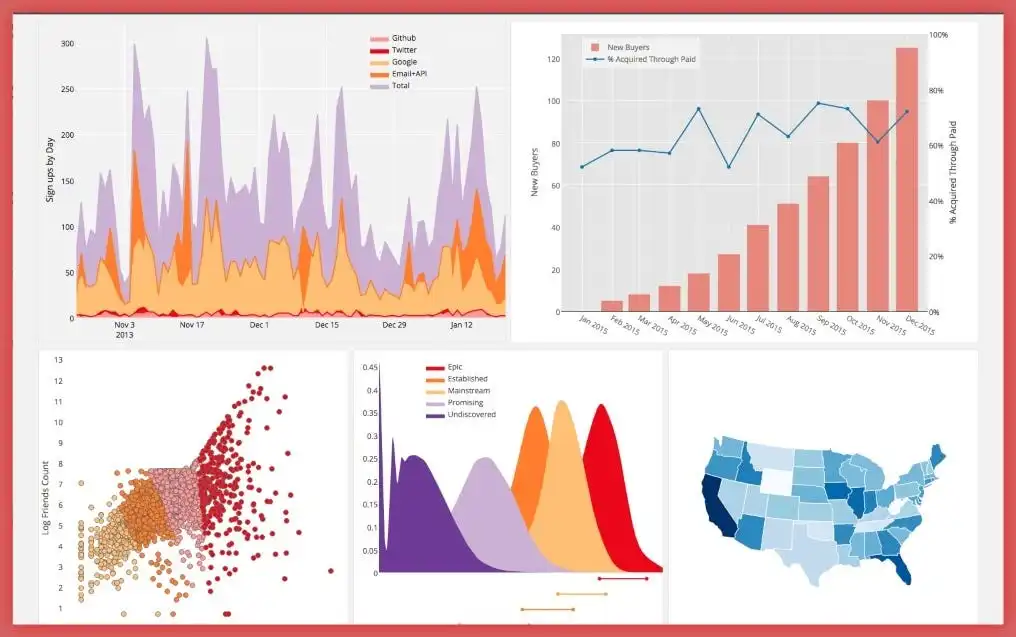
5. Visual Storytelling
Master visualization tools like Tableau or Matplotlib to tell compelling data stories. Explore resources like Tableau Public for hands-on learning.
6. Domain Expertise
Understand the basics of biotechnology. Platforms like Coursera and edX offer courses like “Introduction to Biotechnology” for foundational knowledge.
7. Communication Skills
Polish your communication skills. Courses like “Effective Communication” on LinkedIn Learning can help you convey complex findings in a straightforward manner.
8. Project Management Prowess
Develop project management skills to ensure smooth project execution. Platforms like PMI and courses on Coursera, such as “Project Management Basics,” can be beneficial.
9. Continuous Learning
Cultivate a habit of continuous learning. Platforms like Udemy, LinkedIn Learning, and Coursera offer a plethora of courses to keep your skills up-to-date.
10. Networking Know-How
Forge connections within the Data Science in Biotechnology community. Join LinkedIn groups, attend conferences, and participate in forums to build a network of like-minded professionals.
Where to Get Help
Online Courses and Certifications
Platforms like Coursera, edX, and DataCamp offer specialized courses in Data Science in Biotechnology, providing a structured approach to skill development.
Click here to learn about Best Data Science Books for Beginners.
Networking Communities
Join online communities such as LinkedIn groups, Reddit forums, and biotech-related conferences to connect with professionals who can offer guidance and insights.
Mentorship Programs
Explore mentorship programs available on platforms like MentorCruise or professional organizations to get personalized guidance from experienced individuals in the field.
How to Enter this New Field
Hands-On Projects
Engage in real-world projects to apply your skills. Platforms like Kaggle provide datasets for practice, allowing you to showcase your abilities to potential employers.
Create a Portfolio
Build a portfolio showcasing your projects and the skills you’ve acquired. This tangible representation of your work serves as a compelling resume for prospective employers.
Online Job Platforms
Explore job platforms such as Indeed, LinkedIn, and Glassdoor to find entry-level positions in Data Science in Biotechnology. Tailor your resume to highlight relevant skills.
Future Scope of Data Science in Biotechnology
Innovations on the Horizon
The convergence of biology and data promises groundbreaking innovations in drug discovery, precision medicine, and personalized healthcare, shaping the future of Data Science in Biotechnology.
Industry Integration
Biotech companies increasingly recognize the value of data-driven decision-making. Professionals in this field are in demand to decode genomic data, optimize processes, and drive advancements.
Salary Expectations
Salaries in Data Science in Biotechnology are competitive, reflecting the unique skill set professionals bring to the table. As you gain experience and expertise, the potential for upward salary growth becomes significant.
According to the Bureau of Labor Statistics (BLS), individuals in the field of data science earn a median annual salary of $100,910, and the projected employment growth rate is estimated at 36%. This information might lead potential biotechnologists to consider that pursuing a career in data science could be more financially rewarding.
Alternatively, according to Ziprecruiter 2024 data, the average annual salary for a Biomedical/Biotechnology Data Scientist in the United States is $122,738 per annum.
Conclusion: The Journey Begins
In navigating the shift from biotechnology to Data Science in Biotechnology, you’re embarking on a journey of growth and transformation. Each skill acquired, each connection made, is a step toward a future where data and biotechnology coalesce seamlessly. Embrace the challenge, for the horizon of opportunities in this dynamic field awaits your arrival.
Click here to explore 8 Data Science Portfolio Projects in Healthcare and Genomic; Step by Step Guidance and Resources.